For many years, cybersecurity was relatively straightforward. Install antivirus software. Keep it updated. Run occasional scans. If nothing was detected, everything seemed fine. That approach made sense when most threats looked very similar.


For many years, cybersecurity was relatively straightforward. Install antivirus software. Keep it updated. Run occasional scans. If nothing was detected, everything seemed fine. That approach made sense when most threats looked very similar.

Most businesses spend time thinking about how to prevent cyber attacks. Far fewer spend time thinking about what happens if prevention fails. That is understandable. Nobody wants to imagine their systems being compromised,
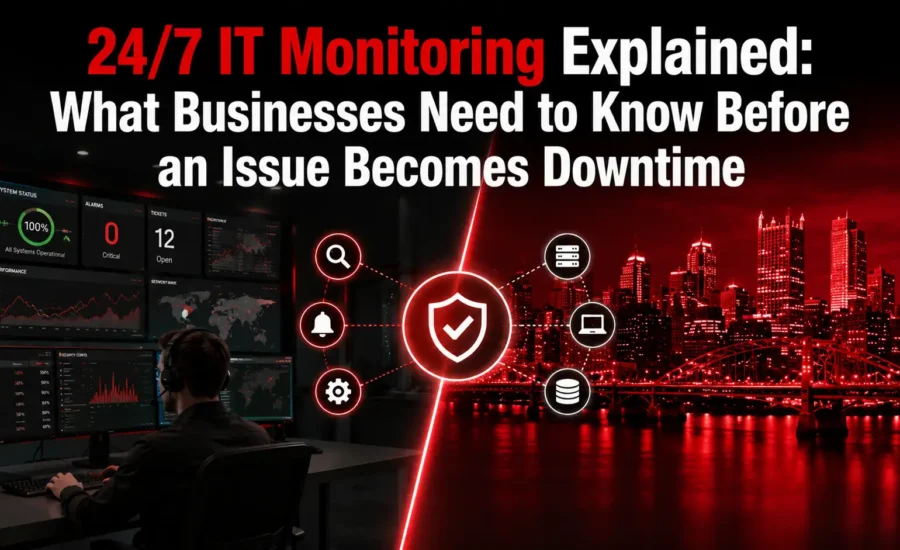
Technology problems rarely begin at 9:00 AM. A failed backup may happen overnight. Storage may slowly fill across several days. A server may begin showing early signs of instability long before employees arrive.

Opening a second office sounds exciting. By the third or fourth location, technology starts becoming more complicated. Employees expect the same experience everywhere. Leadership expects visibility. Operations expect consistency. Customers expect reliability. But

One of the biggest concerns businesses have before switching to managed IT is not cost. It is disruption. Questions usually sound like: Will systems go offline? Will employees notice? Will we lose access
Many businesses only think about IT infrastructure when something stops working. A server fails. Employees complain systems are slow. Storage runs out. A security incident forces action. The problem is that infrastructure issues

Most businesses think of downtime as a major outage. Servers go offline. Employees cannot work. Customers are affected. But in reality, downtime often starts much earlier. Applications slow down. Devices become unreliable. Network

Most businesses do not change IT providers because of one major incident. Usually, the decision builds slowly. Support starts taking longer. Problems repeat. Communication becomes reactive. Projects get delayed. Reporting becomes unclear. Eventually

Most businesses eventually reach a point where technology demands become larger than their current support model. The challenge is not always whether to outsource IT. The bigger question becomes: How much of IT

When businesses think about improving productivity, the conversation usually turns to hiring, training, automation, or better processes. Technology often gets overlooked. But in many organizations, employees lose more productive time to technology issues

Most businesses do not wake up one morning and decide they need outside IT support. Usually, it happens gradually. A few support tickets become dozens. Software updates get delayed. Employees start waiting longer

Technology problems rarely arrive one at a time. A slow laptop misses deadlines. A forgotten update becomes a security issue. A failed backup becomes business downtime. That is why more companies are moving

Most businesses do not start by debating whether they need managed IT or an internal IT team.Usually, they already have something in place that works.Maybe one person handles technology internally. Maybe there is

When IT Problems Start Affecting Your Bottom LineTechnology keeps modern businesses running, but when something goes wrong, the impact can be immediate and expensive. A server crash, network outage, or cybersecurity issue can