
24/7 IT Monitoring Explained: What Businesses Need to Know Before an Issue Becomes Downtime
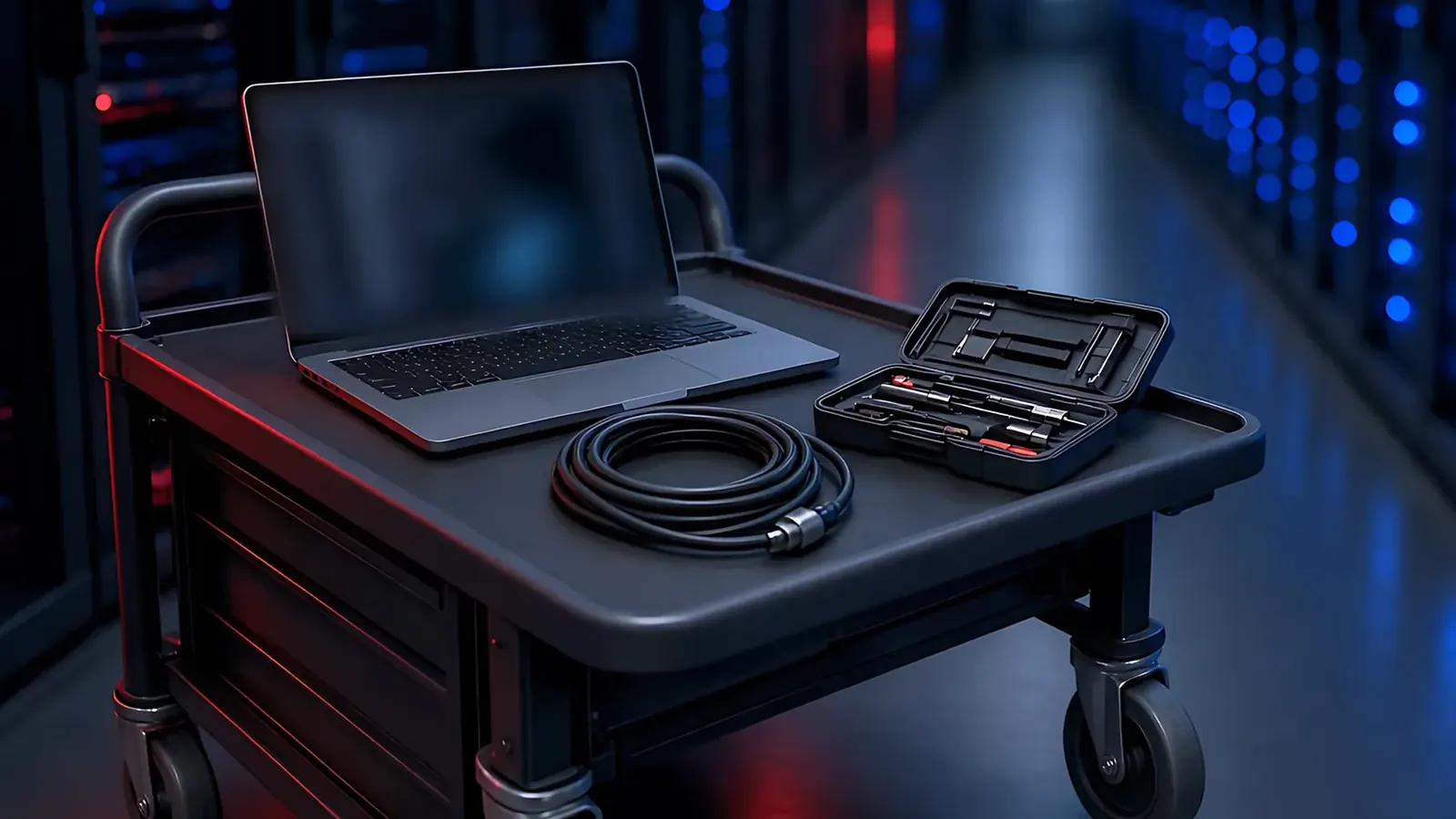
Technology problems rarely begin at 9:00 AM.
A failed backup may happen overnight.
Storage may slowly fill across several days.
A server may begin showing early signs of instability long before employees arrive.
By the time someone notices, the business is already reacting.
That is why many organizations move toward 24/7 IT monitoring.
Instead of waiting for users to report problems, monitoring helps detect unusual activity, performance issues, and potential failures before they become business disruptions.
But monitoring is often misunderstood.
Many businesses assume it simply means “someone watching systems.”
Modern monitoring is much broader than that.
This guide explains what 24/7 IT monitoring actually is, what it covers, and how it supports more reliable business operations.
What Is 24/7 IT Monitoring?
24/7 IT monitoring is the continuous observation of business technology environments to identify issues early and maintain system availability.
Monitoring platforms collect information from devices, networks, applications, cloud environments, and infrastructure.
When unusual conditions appear, alerts are generated so action can be taken.
Monitoring is designed to answer questions like:
- Is performance declining?
- Is storage running low?
- Did a backup fail?
- Is a device offline?
- Is unusual activity happening?
The goal is not watching dashboards all day.
The goal is reducing interruptions.
Businesses exploring proactive support strategies can also review what managed IT services include to better understand how monitoring fits into ongoing IT management.
Monitoring vs Traditional IT Support
These terms are often confused.
Traditional Support
Employee reports issue → support responds
24/7 Monitoring
System detects issue → alert generated → action begins
Support remains important.
Monitoring simply helps businesses become proactive.
What Does 24/7 IT Monitoring Usually Include?
Monitoring can cover multiple areas depending on business needs.
1. Device Monitoring
Endpoints are often where issues appear first.
Monitoring commonly includes:
- Device availability
- CPU usage
- Storage health
- Memory utilization
- Operating system status
- Device alerts
Healthy endpoints reduce employee interruptions.
2. Server Monitoring
Servers support critical operations.
Monitoring often tracks:
- Performance trends
- Capacity
- Application health
- Hardware status
- Resource utilization
- Availability
Small issues identified early can prevent larger outages.
3. Network Monitoring
Network performance affects nearly every business function.
Monitoring may include:
- Connectivity
- Latency
- Device status
- Bandwidth usage
- Firewall health
- Internet reliability
Network visibility helps reduce support delays.
4. Cloud Monitoring
Cloud environments still require oversight.
Monitoring often includes:
- Cloud service availability
- User access
- Storage consumption
- Platform alerts
- License utilization
- Service performance
Cloud infrastructure shifts responsibility, not accountability.
5. Security Monitoring
Security and monitoring increasingly overlap.
Monitoring may identify:
- Suspicious activity
- Login anomalies
- Device changes
- Security alerts
- Access issues
Early detection improves response.
Businesses reviewing operational security should also explore this cybersecurity guide for small businesses to understand how monitoring supports modern security practices.
6. Backup Monitoring
Backups are only valuable if they work.
Monitoring commonly checks:
- Backup completion
- Failed jobs
- Recovery readiness
- Storage health
- Retention compliance
This improves confidence during recovery events.
What Happens When Monitoring Detects a Problem?
Detection alone is not enough.
A structured workflow usually follows.
Step 1 — Monitoring detects abnormal behavior
Step 2 — Alert generated
Step 3 — Issue reviewed
Step 4 — Resolution initiated
Step 5 — Documentation and follow-up
This process helps reduce operational disruption.
Why Businesses Invest in 24/7 Monitoring
The biggest benefit is often not faster repairs.
There are fewer surprises.
Organizations often invest to improve:
- Availability
- Employee productivity
- Security
- Predictability
- Operational visibility
- Support efficiency
Monitoring helps businesses move from reaction to preparation.
Businesses evaluating the operational impact of outages can also review the cost of IT downtime for small businesses and how disruptions affect productivity and revenue.
Common Signs Your Business Needs Better Monitoring
Businesses may benefit if:
- Employees frequently report issues first
- Outages seem unexpected
- Systems become slow regularly
- Security visibility is limited
- Backups are rarely tested
- Infrastructure complexity is growing
These patterns often indicate limited operational visibility.
Growing organizations facing increasing operational complexity may also notice several signs they have outgrown internal IT, especially when proactive monitoring is missing.
Does 24/7 Monitoring Mean Someone Is Watching Everything?
Not necessarily.
Monitoring typically combines:
- Automated detection
- Alert workflows
- Operational processes
- Support teams
Businesses should understand:
- What is monitored
- How alerts are handled
- Response expectations
- Escalation procedures
Visibility without action has limited value.
Monitoring Alone Does Not Prevent Every Issue
Monitoring is important.
But it works best alongside:
- Preventive maintenance
- Patch management
- Security controls
- Backup strategy
- Support processes
- Infrastructure planning
Reliable environments combine multiple practices.
Organizations focused on reducing operational disruptions can also learn how managed IT prevents downtime through proactive maintenance and infrastructure oversight.
How Managed IT Uses Monitoring
Managed IT environments commonly use monitoring as part of ongoing support.
Monitoring often supports:
- Early issue detection
- Faster resolution
- Capacity planning
- Security oversight
- Infrastructure reviews
This helps support teams focus on prevention instead of constant recovery.
Questions to Ask About Monitoring Services
Before evaluating monitoring, ask:
- What systems are monitored?
- What happens after alerts?
- Is monitoring available outside business hours?
- Are reports provided?
- How are critical incidents escalated?
- What is excluded?
Clear expectations improve outcomes.
Final Thoughts
Technology issues rarely appear suddenly.
Most disruptions leave warning signs first.
24/7 IT monitoring helps businesses identify those signals earlier, respond faster, and reduce unnecessary interruptions.
The outcome is not simply better visibility.
It is a more reliable environment where employees spend less time waiting for systems and more time getting work done.
Frequently Asked Questions
What is 24/7 IT monitoring?
It is continuous monitoring of business systems to detect issues and improve reliability.
Does monitoring prevent downtime?
Monitoring reduces risk and improves response but cannot eliminate downtime completely.
Is monitoring the same as IT support?
No. Monitoring identifies issues, while support resolves them.
Can cloud environments be monitored?
Yes. Cloud systems often require monitoring for performance, access, and reliability.
Is 24/7 monitoring only for large businesses?
No. Businesses of many sizes benefit from proactive visibility and faster issue detection.
Related Posts

Technology Risks During Business Expansion (And How to Avoid Them)
Growth is usually measured by numbers: More customers More employees More revenue More locations What often goes unnoticed is that every stage of growth also
How to Standardize Technology Across Multiple Office Locations
Expansion is rarely a perfectly planned process. A business opens a second office because demand increases, another location is acquired, or a regional team starts

Secure IT for Growing Companies: Building a Foundation That Scales
Growth changes more than revenue; it changes the way a business uses technology. A company with ten employees can often get by with a fairly

IT Budget Planning for Small and Mid-Sized Businesses: A Smarter Way to Invest in Technology
For many businesses, the IT budget isn’t really a budget; it’s a series of unexpected expenses: A server fails. Several laptops need to be replaced