
HIPAA Compliance and IT: What Healthcare Organizations Need to Know
Mention HIPAA to most healthcare professionals and the conversation usually turns to paperwork:
- Policies
- Documentation
- Training
- Compliance audits
Those things are certainly part of the picture. But behind almost every HIPAA requirement is a technology decision:
- Who can access patient records?
- How are those records stored?
- What happens if a laptop is lost?
- Can employees safely work from home?
- How quickly can information be recovered after a system failure?
Technology doesn’t guarantee HIPAA compliance. At the same time, maintaining compliance without reliable, well-managed technology is extremely difficult. The goal isn’t simply to check boxes for an audit; it’s to create an environment where patient information is protected as part of everyday operations.
HIPAA Is About More Than Electronic Health Records
Many people associate HIPAA primarily with electronic health record (EHR) systems. Those systems are certainly important, but they’re only one piece of the environment. Navigating these complexities is one of the distinct IT challenges healthcare businesses face, as patient information may also exist in:
- cloud storage
- billing software
- scheduling systems
- employee laptops
- mobile devices
- backup systems
Protecting health information means looking at the entire technology environment, not just one application.
Access Should Be Based on Roles
Not everyone within a healthcare organization needs access to the same information. A receptionist doesn’t require the same level of access as a physician, and an external IT provider shouldn’t automatically receive unrestricted administrator privileges.
One of the simplest ways to reduce risk is ensuring employees can access only the information necessary to perform their jobs. Role-based access also makes it easier to monitor who is accessing sensitive data.
Strong Passwords Are No Longer Enough
Healthcare organizations remain a frequent target for cybercriminals. Passwords alone provide limited protection if they’re reused, shared, or stolen through phishing attacks.
That’s why many organizations now rely on additional security measures, such as comparing MFA and password managers, to enforce layered identity controls. Adding one extra step during login can significantly reduce the likelihood of unauthorized access.
Every Device Matters
It’s easy to focus on servers and office computers. But healthcare employees increasingly work from:
- laptops
- tablets
- smartphones
These devices often access patient information outside the office. If one is lost or stolen, the organization needs a way to reduce the risk of exposing sensitive information. Device management, encryption, and proactive cybersecurity services all play an essential role in keeping endpoints protected.
Backups Are Part of Patient Care
Imagine arriving at work and discovering that patient schedules, records, or billing systems are unavailable. How long could the practice continue operating?
Reliable backups aren’t simply about recovering files; they’re about maintaining continuity of care and knowing how managed IT prevents downtime before outages impact patient workflows. Backups should be:
- performed regularly
- stored securely
- tested periodically
Knowing backups exist is reassuring; knowing they can actually be restored is far more valuable.
Employees Are Part of Your Security Strategy
Technology alone can’t prevent every security incident. Many breaches begin with common cybersecurity mistakes employees make:
- Someone clicks a malicious email.
- A password is shared.
- A laptop is left unattended.
That’s why employee awareness is just as important as technical safeguards. Regular training helps staff recognize common threats before they become serious problems.
Remote Work Requires Extra Planning
Healthcare organizations increasingly support remote work for administrative staff and management teams. That flexibility offers many advantages, but it also raises important questions:
- Can employees access systems securely from home?
- Are personal devices being used?
- How are remote connections protected?
Remote access should be convenient, but it should never compromise patient privacy.
Documentation Matters
Technology works best when it’s supported by clear processes. Healthcare organizations should know:
- who manages IT systems
- how user accounts are created
- when software is updated
- how backups are verified
- what happens during a cybersecurity incident to ensure rapid containment and reporting
Well-documented procedures make compliance easier to maintain and simplify future audits.
Compliance Isn’t a One-Time Project
One of the biggest misconceptions about HIPAA is that compliance is something you achieve once. Technology changes, employees join and leave, software is updated, and cybersecurity threats continue to evolve.
Maintaining compliance requires asking how often companies should conduct security audits and scheduling recurring evaluations rather than treating security as an occasional project. Organizations that regularly evaluate their technology are generally in a much stronger position than those that only prepare when an audit approaches.
Questions Worth Asking
If you’re unsure whether your current IT environment supports your compliance efforts, consider these questions:
- Who currently has access to patient information?
- Are former employees removed promptly from systems?
- Is multi-factor authentication enabled?
- Have backups been tested recently?
- How would we respond if a device containing patient information were lost?
These conversations often uncover practical improvements that strengthen both security and compliance.
Compliance Supports Trust
Patients trust healthcare organizations with highly personal information. Protecting that information isn’t only a regulatory responsibility; it’s part of delivering quality care.
Strong IT practices help organizations maintain that trust by reducing the likelihood of data loss, service interruptions, and unauthorized access. Partnering with specialists who deliver tailored healthcare IT services ensures that technical baselines align seamlessly with strict regulatory standards. Compliance and good technology management ultimately support the same goal: providing reliable, secure care for every patient.
Final Thoughts
HIPAA compliance isn’t just about policies or paperwork. It’s closely connected to the way technology is managed every day. Secure access, reliable backups, employee awareness, well-maintained systems, and thoughtful planning all contribute to protecting patient information.
Rather than viewing compliance as a separate project, healthcare organizations should see it as part of building a resilient IT environment that supports both staff and patients.
Working alongside an experienced provider like Sierra Experts to implement comprehensive managed IT services ensures that compliance is integrated into everyday operations, keeping patient care secure and uninterrupted.
What role does IT play in HIPAA compliance?
IT supports HIPAA compliance by helping protect patient information through secure access, system management, backups, monitoring, and cybersecurity controls.
Does HIPAA only apply to electronic health records?
No. Protected health information may exist in email, cloud storage, billing systems, mobile devices, and many other technologies.
Is multi-factor authentication required?
While requirements vary depending on an organization’s environment, MFA is widely recommended as an effective way to reduce unauthorized access.
Why are backups important for HIPAA compliance?
Backups help healthcare organizations recover critical systems and patient information after unexpected events or cyber incidents.
How often should healthcare organizations review their IT security?
Regular reviews, ongoing monitoring, employee training, and periodic risk assessments help organizations maintain a stronger security posture over time.
Related Posts
Technology Risks During Business Expansion (And How to Avoid Them)
Growth is usually measured by numbers: More customers More employees More revenue More locations What often goes unnoticed is that every stage of growth also
How to Standardize Technology Across Multiple Office Locations
Expansion is rarely a perfectly planned process. A business opens a second office because demand increases, another location is acquired, or a regional team starts
Secure IT for Growing Companies: Building a Foundation That Scales
Growth changes more than revenue; it changes the way a business uses technology. A company with ten employees can often get by with a fairly
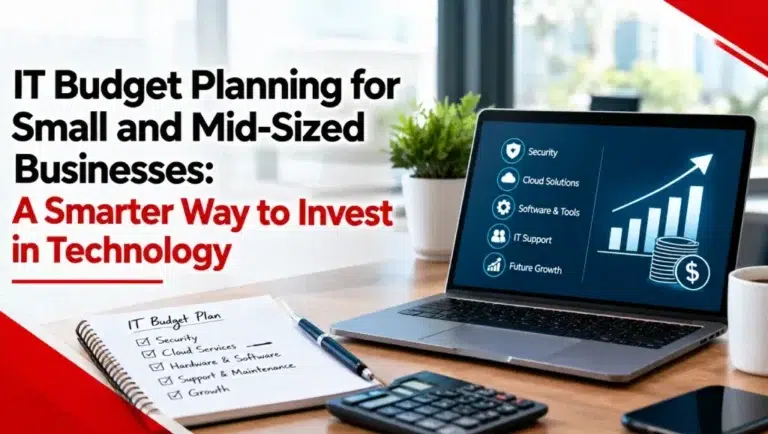
IT Budget Planning for Small and Mid-Sized Businesses: A Smarter Way to Invest in Technology
For many businesses, the IT budget isn’t really a budget; it’s a series of unexpected expenses: A server fails. Several laptops need to be replaced