Why Cybersecurity is No Longer Optional for Small Businesses in 2026
If you believe cybercriminals only target large enterprises, it’s time to reconsider that assumption. In 2026, small businesses have become one of the most frequent targets for cyberattacks. The reason is simple: they often lack advanced security systems but still store valuable customer data, financial records, and sensitive business information.
For businesses in Pittsburgh and across the United States, the risks are significant. A single cyberattack can result in financial loss, operational downtime, regulatory penalties, and long-term damage to brand reputation. This is why investing in cybersecurity for small businesses is no longer optional—it is a fundamental requirement for survival and growth in a digital-first world.
Key Takeaways
- Small businesses are increasingly targeted due to weaker security systems
- Investing in cybersecurity solutions for small businesses reduces long-term risks and costs
- Compliance requirements make cybersecurity essential for many industries
- Managed security services offer scalable and cost-effective protection
- Proactive security is far cheaper than recovering from a cyberattack
Understanding Cybersecurity for Small Businesses
What Does Cybersecurity Include?
At its core, cybersecurity for small businesses refers to the practice of protecting systems, networks, devices, and data from digital threats and unauthorized access.
- Network security (firewalls, monitoring tools)
- Endpoint protection (laptops, desktops, mobile devices)
- Data encryption and secure storage
- Identity and access management
- Email and phishing protection
Each layer plays a crucial role in reducing vulnerabilities. To better understand the broader landscape of threats, explore this guide on knowing the risks of cybersecurity
Why Small Businesses Are Prime Targets
Many small business owners believe they are “too small” to be noticed by hackers. Unfortunately, that mindset creates an easy opportunity for cybercriminals.
Common reasons small businesses are targeted include:
- Limited IT resources
- Outdated software or systems
- Lack of employee awareness
- Weak passwords and access controls
Hackers often use automated tools that scan for vulnerabilities—meaning any unprotected business can become a target.
Common Cyber Threats in 2026
Cyber threats are becoming more advanced every year. The most common risks include:
- Ransomware: Locks your data until a payment is made
- Phishing attacks: Fake emails designed to steal credentials. It is vital to learn tips to spot a phishing email to prevent unauthorized access.
- Insider threats: Employees accidentally or intentionally cause breaches
- Cloud vulnerabilities: Misconfigured cloud systems
- AI-driven attacks: Faster and more personalized cyber threats
Essential Cybersecurity Solutions for Small Businesses
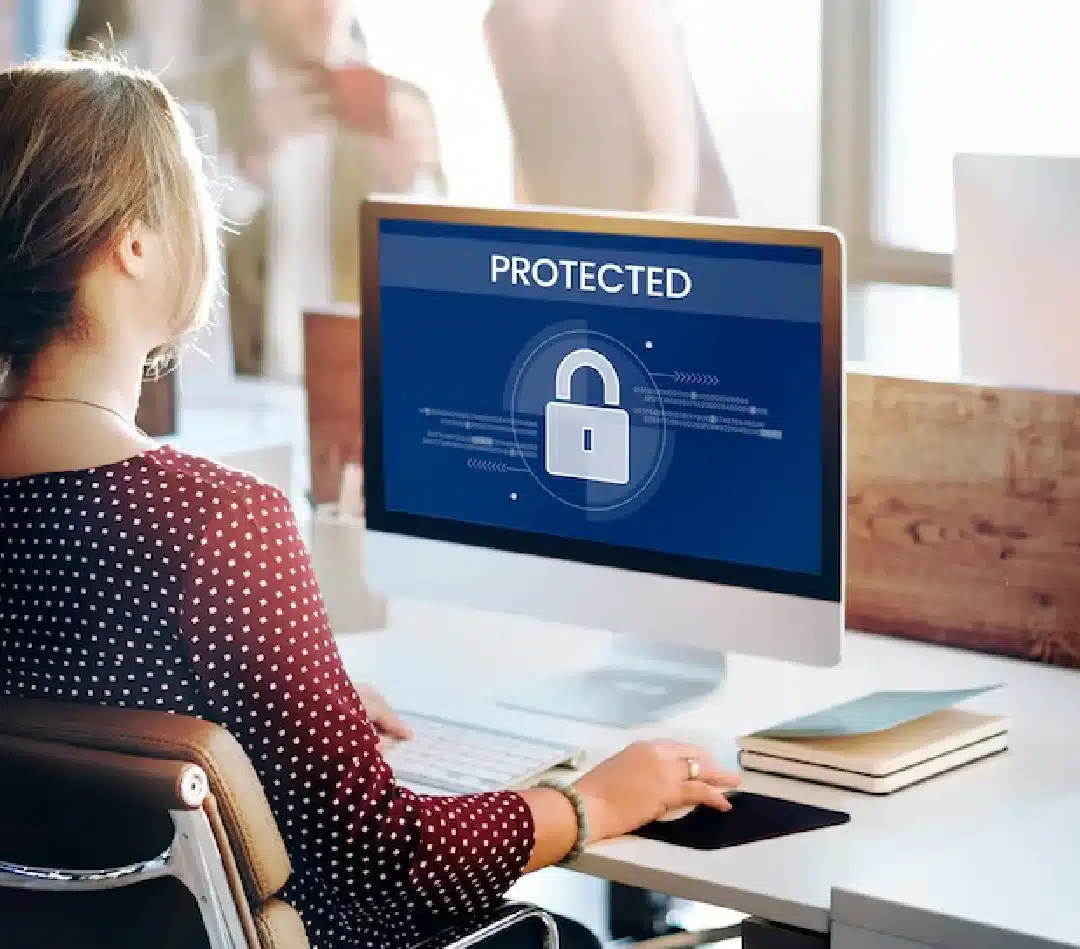
To protect your business effectively, you need a combination of tools and strategies. Here are the most critical cybersecurity solutions for small businesses:
Endpoint Protection
Every device connected to your network is a potential entry point. Endpoint protection:
- Detects and blocks malware
- Monitors device activity
- Provides real-time alerts
For a deep dive into securing these assets, check out our endpoint monitoring guide.
Firewall & Network Security
Firewalls act as a barrier between your internal network and external threats. Modern solutions also include:
- Intrusion detection systems
- Traffic monitoring
- VPN support for remote teams
Email Security Solutions
Email remains one of the most common attack vectors. A strong email security system:
- Filters spam and phishing emails
- Blocks malicious attachments
- Prevents data leaks
Data Backup & Disaster Recovery
No system is 100% immune. That’s why backups are critical.
- Automated daily backups
- Cloud and local storage options
- Fast recovery after incidents
Multi-Factor Authentication (MFA)
MFA adds an extra layer of protection by requiring:
- Password + one-time code
- Biometric verification
This simple step can prevent the majority of unauthorized access attempts.
Employee Security Training
Human error is one of the biggest risks. Training helps employees:
- Identify phishing attempts
- Use strong passwords
- Follow safe browsing practices
Cybersecurity Services for Small Business: In-House vs Managed
In-House IT Security
Some businesses choose to build internal teams.
Pros:
- Full control over systems
- Immediate on-site support
Cons:
- High hiring and training costs
- Limited expertise across all threat types
- Difficult to scale
Managed Cybersecurity Services
Outsourcing to professionals is becoming the preferred approach for many businesses.
Pros:
- 24/7 monitoring and threat response
- Access to experienced specialists
- Predictable monthly costs
- Scalable solutions
Cons:
- Requires choosing a reliable provider
For many companies, cybersecurity services for small businesses delivered through managed providers offer the best balance of cost and expertise. There are many reasons to choose Sierra Experts for cybersecurity, specifically our ability to provide enterprise-level protection to growing firms.
Cost of Cybersecurity for Small Businesses in 2026
Understanding costs helps you plan better and avoid surprises.
Typical Monthly Cost Breakdown
| Service Type | Monthly Cost Range |
| Basic Endpoint Security | $10 – $30 per user |
| Managed Detection & Response (MDR) | $50 – $150 per user |
| Firewall Management | $100 – $500 |
| Backup & Disaster Recovery | $100 – $300 |
| Full Managed Security Package | $100 – $250 per user |
Cost Factors for Pittsburgh Businesses
If you’re operating in Pittsburgh, several factors can influence your cybersecurity budget:
- Industry requirements: Healthcare and finance require stricter compliance (HIPAA, PCI)
- Company size: More employees = more devices to secure
- Existing infrastructure: Older systems may require upgrades
- Remote work environment: Additional security for remote access
- Compliance needs: Regulatory requirements increase complexity and cost
How to Choose the Right Cybersecurity Solutions for Small Businesses

Choosing the right approach doesn’t have to be complicated. Focus on these key areas:
Assess Your Risk
Ask yourself:
- What kind of data do we store?
- What would happen if we lost it?
- Are we required to meet compliance standards?
Prioritize Scalability
Your security should grow with your business. Avoid rigid solutions that can’t adapt.
Ensure 24/7 Monitoring
Cyber threats don’t follow business hours. Real-time monitoring is critical for early detection.
Evaluate Expertise
Look for providers with:
- Proven experience in cybersecurity services for small business
- Industry-specific knowledge
- Strong customer support
Focus on ROI
Cybersecurity isn’t just an expense—it’s an investment. Preventing one breach can save tens of thousands of dollars.
Benefits of Investing in Cybersecurity Solutions for Small Businesses
Financial Protection
Avoid costs related to:
- Data recovery
- Legal fees
- Regulatory fines
Business Continuity
With proper systems in place, your operations can continue even during an incident.
Customer Trust
Clients are more likely to work with businesses that take data protection seriously.
Compliance Readiness
Meeting regulatory requirements becomes easier with structured security systems.
Competitive Advantage
Strong cybersecurity can set you apart from competitors who neglect it.
Cybersecurity Trends Small Businesses Should Watch in 2026
AI-Powered Threat Detection
Artificial intelligence is now being used to:
- Detect anomalies faster
- Predict potential threats
Zero Trust Security
This model assumes no user or device is automatically trusted, improving overall protection.
Cloud Security Growth
As more businesses move to the cloud, securing cloud environments becomes critical.
Cyber Insurance Requirements
Insurance providers are now demanding stronger security measures before offering coverage.
Getting Started with Cybersecurity for Your Business
If you’re unsure where to begin, follow this simple roadmap:
- Conduct a cybersecurity assessment
- Identify vulnerabilities
- Implement essential protections (MFA, backups, endpoint security)
- Train employees regularly
- Partner with a trusted provider
Working with an experienced team like Sierra Experts can simplify the process and ensure your systems are properly secured from day one.
Secure Your Business Before It’s Too Late
Cyber threats are evolving faster than ever, and small businesses are firmly in the crosshairs. Ignoring cybersecurity today can lead to serious financial and operational consequences tomorrow.
By investing in the right cybersecurity solutions for small businesses, you not only protect your data but also build trust, ensure compliance, and create a strong foundation for growth.
If you’re ready to take the next step, now is the time to evaluate your security posture and implement a strategy that keeps your business safe in 2026 and beyond.
Frequently Asked Questions (FAQs)
1. What is the most important part of cybersecurity for small businesses?
The most critical elements are endpoint protection, employee training, and reliable data backups.
2. How much should a small business spend on cybersecurity?
Typically, businesses allocate 5–10% of their IT budget toward cybersecurity, depending on their risk level.
3. Are managed cybersecurity services worth it?
Yes. They provide expert-level protection, continuous monitoring, and cost efficiency, making them ideal for small businesses.
4. Can small businesses really be targeted by hackers?
Absolutely. In fact, small businesses are often targeted more frequently due to weaker defenses.
5. Which industries need cybersecurity the most?
- Healthcare
- Financial services
- Legal firms
- Manufacturing
- E-commerce
6. How quickly can cybersecurity solutions be implemented?
Basic solutions can be deployed within days, while advanced cybersecurity solutions for small businesses may take a few weeks.