
Choosing a web development company isn’t really about choosing a website. It’s about choosing the team you’ll trust with one of your most important business assets.
Your website isn’t just a marketing tool anymore. For many businesses, it’s where customers form their first impression, request quotes, book appointments, submit inquiries, and sometimes even complete purchases.
That’s why hiring a development partner shouldn’t feel like buying a commodity. Unfortunately, many businesses choose an agency based on a single factor: price.
A few months later, they’re frustrated by missed deadlines, poor communication, or a website that looks good but doesn’t actually help the business grow.
The problem usually isn’t that the developers lacked technical skills. It’s that the project started with the wrong expectations.
If you’re evaluating development companies, here are some of the questions worth asking before you sign a contract.
Start With the Business Problem, Not the Technology
One of the biggest warning signs is a development company that immediately starts talking about frameworks, programming languages, or technical features before understanding your business.
A good development partner will usually spend more time asking questions than answering them during the first conversation.
For example:
- Why are you replacing your current website?
- What’s working today?
- What isn’t?
- How do customers typically find you?
- What should the new website accomplish?
The technology matters, but it should come after the business objectives are clear.
Look Beyond the Design Portfolio
Every agency has attractive screenshots on its website. A beautiful homepage doesn’t tell you much about whether a project was successful. Instead, ask questions like:
- Did the new website generate more enquiries?
- Was it easier for the client’s team to manage?
- Did it solve the original business problem?
- Is the website still performing well a year later?
Good development creates business results; not just attractive layouts.
Communication Matters More Than Most Businesses Expect
Website projects rarely fail because someone forgot how to write code. They usually fail because expectations aren’t aligned:
- Deadlines become unclear.
- Feedback takes too long.
- Requirements change.
- Questions go unanswered.
Before hiring an agency, pay attention to how they communicate during the sales process. If communication feels confusing before the project starts, it’s unlikely to improve once development begins.
Ask Who Will Actually Build the Website
Sometimes the person presenting the proposal isn’t the person doing the work. That’s not necessarily a problem, but it’s worth understanding:
- Project Management: Who manages the daily project details?
- Development: Who writes the actual code?
- Quality Control: Who handles quality assurance?
- Ongoing Support: Who will answer questions after launch?
Knowing who you’ll work with often makes collaboration much smoother.
Don’t Judge a Proposal by Page Count
Businesses sometimes compare proposals like this:
- Agency A includes ten pages.
- Agency B includes fifteen.
- Agency C includes twenty.
That doesn’t tell you which proposal provides more value. A five-page website that clearly explains your services and generates inquiries is far more valuable than a twenty-page website that confuses visitors. Focus on outcomes rather than page counts.
Ask About What Happens After Launch
Launching a website isn’t the end of the project. A high-performing site requires:
- Software and plugin updates
- Ongoing website maintenance
- Secure site backups
- Regular auditing against a comprehensive website security checklist
- Content changes and optimizations
Ask prospective development partners: “What happens after the website goes live?” The answer tells you whether they’re interested in building a long-term relationship or simply delivering a project.
Make Sure Marketing and Development Work Together
A technically excellent website can still perform poorly if it ignores marketing. Likewise, great marketing can’t overcome a slow or difficult-to-use website.
When you invest in web development services, the best projects consider:
- SEO: Search engine friendliness from day one.
- Performance: Fast page speed and optimized media.
- UX/UI: Clear conversion paths and strong user experience.
- Usability: Mobile responsiveness and clean content structure.
For optimal growth, your broader marketing and development strategies should support each other; they should not operate independently.
Be Careful With Unrealistic Promises
Every business wants a faster, better website. However, be cautious if you hear statements like:
- “We’ll have it ready next week.”
- “You’ll rank #1 on Google.”
- “This redesign will double your sales.”
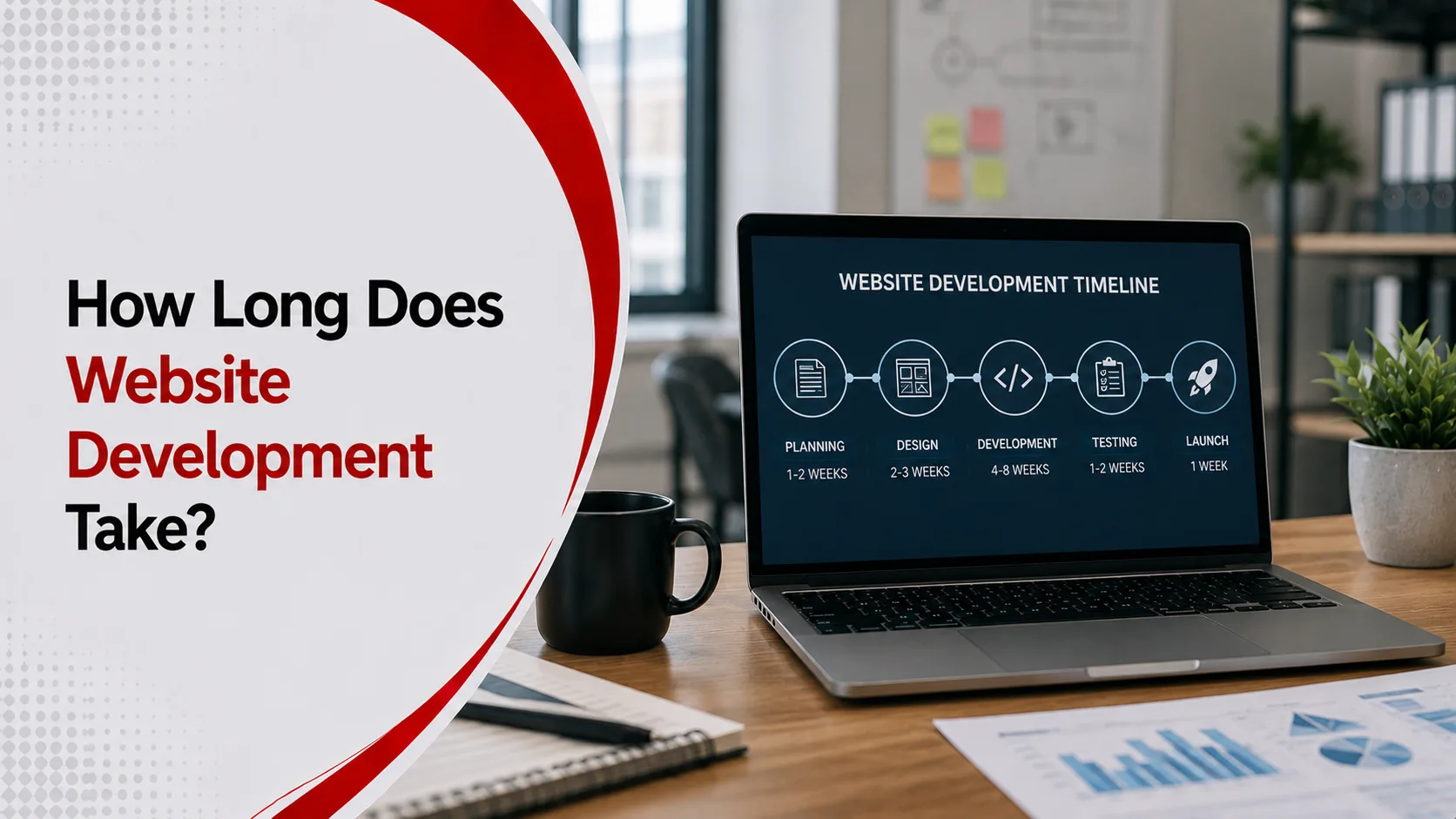
It helps to know upfront how long website development takes based on your project scope. Experienced development partners understand that successful projects involve planning, collaboration, testing, and continuous improvement. They’ll usually talk about realistic processes rather than hollow guarantees.
Think Long-Term
A website typically stays with a business for several years. During that time, you may need:
- Additional service pages
- New functionality
- System integrations
- Technical support
When deciding whether your site needs a light refresh or a complete structural overhaul, evaluating a website redesign versus a website rebuild can clarify your path. Choosing a development partner isn’t just about solving today’s problem; it’s about finding a team that can continue supporting your business as it evolves.
Questions Worth Asking Before You Decide
Before making your final decision, ask every agency the same core questions:
- How do you approach discovery and planning?
- Who will manage the project?
- How do you handle revisions?
- What happens after launch?
- How do you ensure the website supports business goals rather than just looking good?
The quality of the answers often tells you more than the proposal itself.
The Best Development Partner Isn’t Necessarily the Biggest
Large agencies build excellent websites.
So do small specialist teams.
The best partner is usually the one that understands your business, communicates clearly, and has a process that gives you confidence.
A successful project is built on collaboration.
Not company size.
Final Thoughts
The right development partner won’t simply ask what kind of website you want. They’ll ask what you’re trying to achieve as a business. That’s an important difference.
Technology changes quickly, business goals evolve, and customer expectations continue to rise. A good partner helps you navigate those changes rather than simply delivering a finished website and moving on.
When you choose a team that understands both technology and business, you end up with a digital asset that continues creating value long after launch. Feel free to contact us or explore our main offerings at Sierra Experts to see how a dedicated technical team can help you reach your goals.
Frequently Asked Questions
What should I look for in a web development company?
Look for a team that understands your business goals, communicates clearly, has relevant experience, and offers support beyond the initial launch.
Is the cheapest development quote the best option?
Not necessarily. A lower price may not include planning, testing, ongoing support, or the level of collaboration your project requires.
Should web development include SEO?
A good website should be built with SEO best practices in mind, including site structure, performance, mobile usability, and crawlability.
How important is post-launch support?
Very important. Websites require updates, maintenance, security monitoring, and ongoing improvements after they go live.
How long should I expect to work with a development partner?
Many businesses maintain long-term relationships with their development partners for maintenance, new features, content updates, and future website improvements.